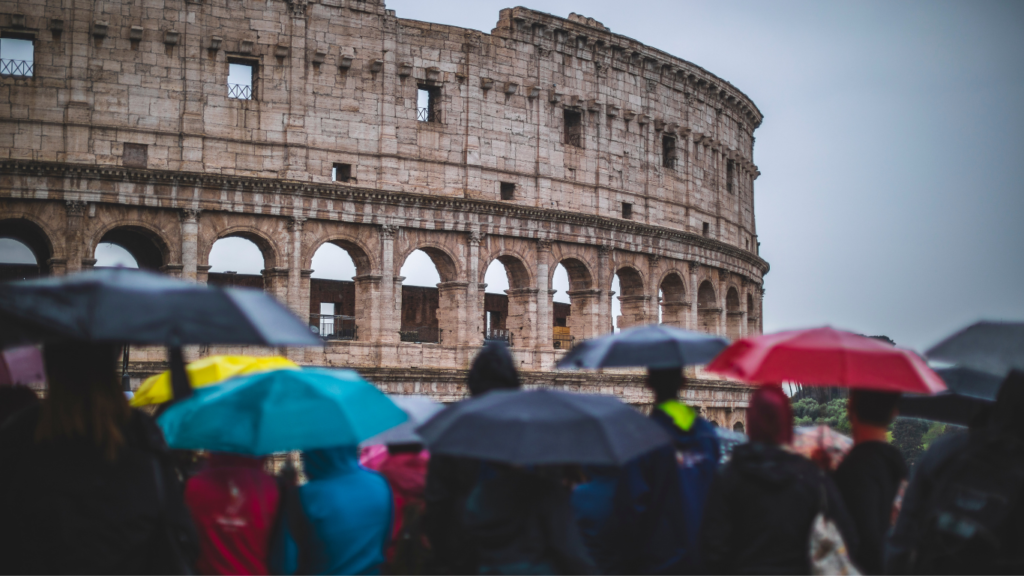
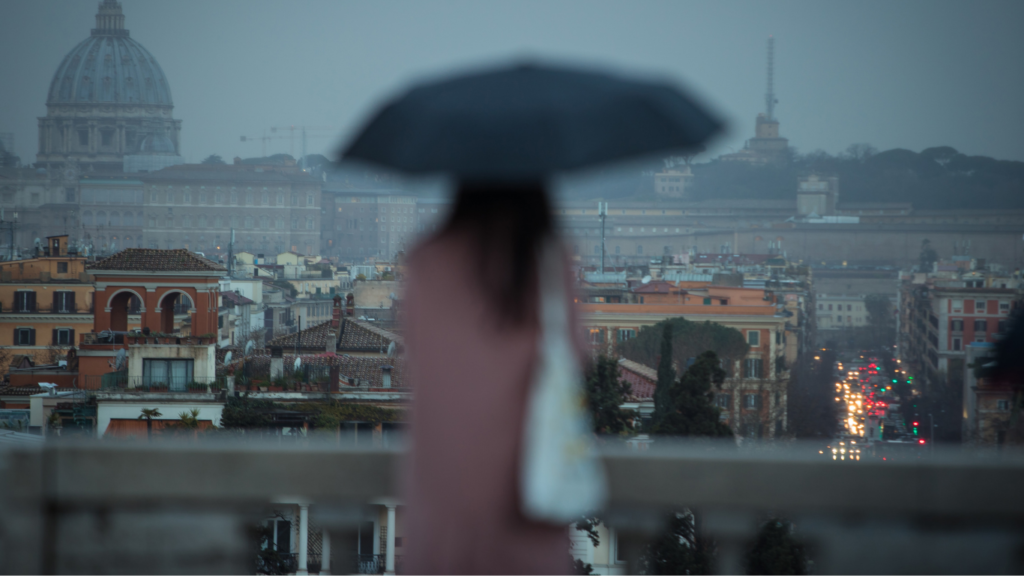
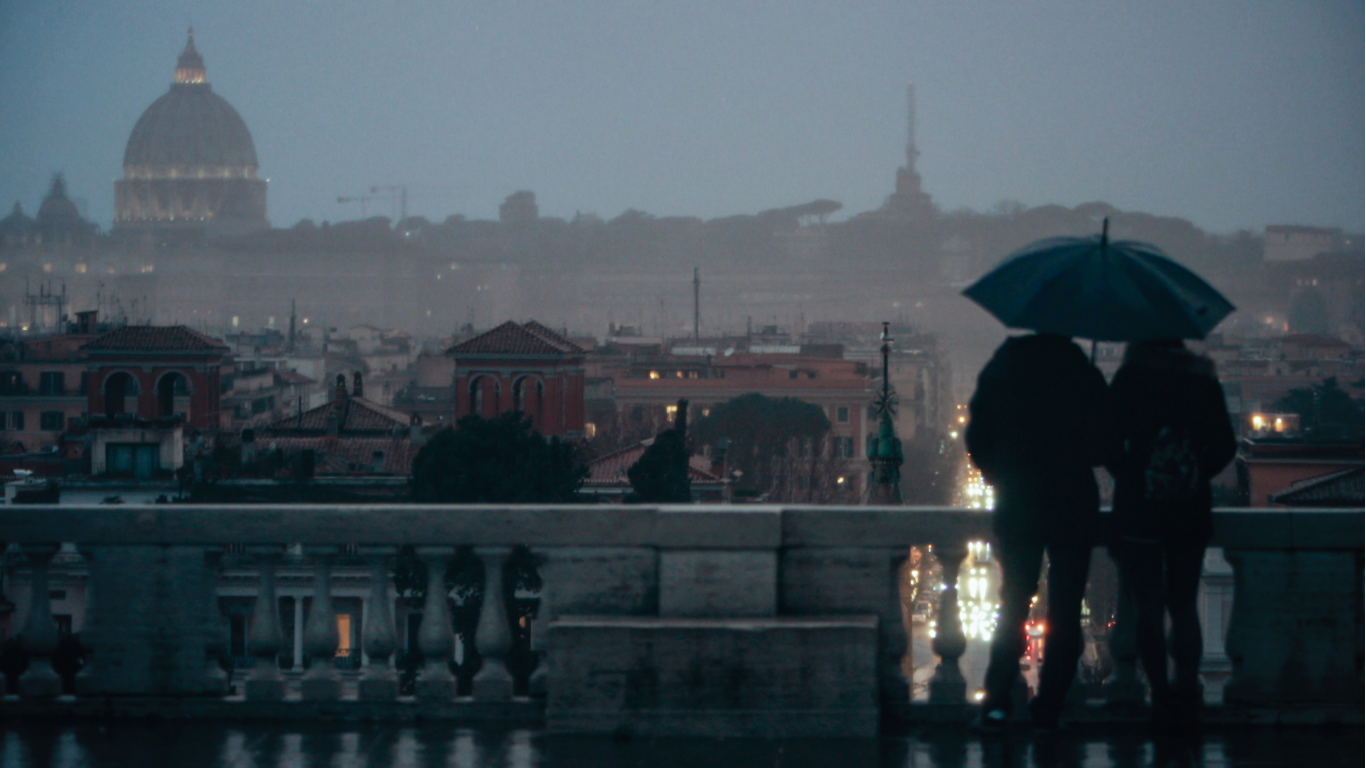
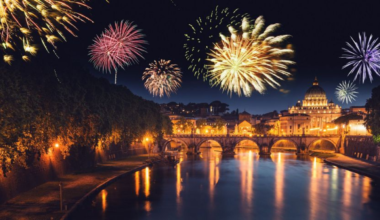
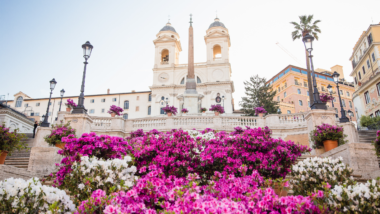
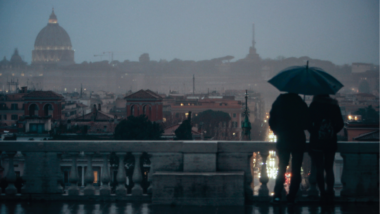
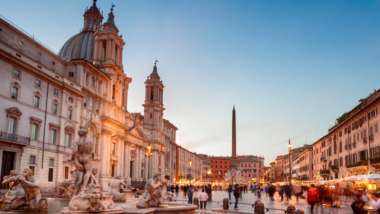
If you are planning on coming to Rome in January YOU’RE IN LUCK! The low season in Rome means affordable accommodation, less crowds, sales in most shops and no more waiting in huge lines for monuments. The weather is a bit gloomy and rainy but nothing a good umbrella can’t fix! The temperature is between 10-14 degrees celsius, perfect for walking around without overheating. Be mindful at night, temperatures can go below freezing so definitely bring layers, a good jacket, scarf and hat.
The activities recommended for January are indoor so here are the best events and attractions to visit no matter the weather in January. Check out the article below!
In January, Rome generally experiences cool and mild weather, with temperatures averaging around 8-13°C (46-55°F). It can be damp, and there’s a chance of occasional rain. During the night, temperatures can get below freezing point.
What to wear in Rome?
For a trip to Rome in January, it’s advisable to pack layered clothing. Bring a mix of sweaters, long-sleeved shirts, and a waterproof jacket. Don’t forget to pack comfortable shoes for exploring, as well as a hat and gloves for cooler days. Having versatile layers will help you adapt to the varying temperatures during your stay.
Considering the possibility of rain in Rome during January, it’s wise to pack a compact umbrella and a waterproof jacket to stay dry. Adding these items to your luggage will help you navigate the occasional rainy days while exploring the city.
Low Season = Low Prices
The low season in Rome is great for both lower prices and fewer visitors for a few reasons. First, demand for accommodations and attractions tends to decrease, leading to reduced prices on hotels and flights. Additionally, popular tourist sites are less crowded, allowing for a more relaxed and immersive experience. You may also find better deals at restaurants and have a chance to enjoy the city without the long lines associated with peak tourist seasons.
Museums & Exhibitions in Rome
Dacia: The Last Frontier of the Roman World January - April
The Museo Nazionale Romano at the Baths of Diocletian presents the largest and most prestigious exhibition of archaeological finds organised by Romania abroad in recent decades.
The exhibit traces the historical and cultural development of the Romanian territory from the eighth century BC to the eighth century AD, highlighting the legacy of various civilisations, including the Romans.
On display are around 1,000 objects from 47 Romanian museums, as well as from the National Museum of History in the Republic of Moldova, exhibited for the first time alongside artefacts from the National Roman Museum.
Address: National Roman Museum – Viale Enrico de Nicola, 78, 00185 Roma RM
Rubens Exhibition at Galleria Borghese until February
Rome’s Galleria Borghese stages an exhibition that examines how the Flemish Baroque master Peter Paul Rubens was influenced by his travels in Italy in the early 17th century.
During his time in Italy Rubens studied classical Greek and Roman sculpture and copied works of the Italian masters, animating the antique in a style that would become known as Baroque.
Divided into eight sections, the exhibition investigates how Rubens’ work took on a new and decisive force in the years following his return to his homeland.
Anselm Kiefer exhibition at Lorcan O'Neill Gallery
Galleria Lorcan O’Neill presents a solo exhibition by German painter and sculptor Anselm Kiefer, one of the world’s most acclaimed contemporary artists, from 10 November until 31 January.
Titled The Consciousness of Stones, the exhibition will feature eight new monumental paintings on the theme of islands and the sea and one new sculpture – all works created in the last two years.
A symbol of isolation, exploration and the desire for connection, the island theme has fascinated Kiefer since he was a boy.
In the exhibition, Kiefer examines these concepts by drawing inspiration from various mythologies, literature and his own personal experiences.
Address: Galleria Lorcan O’Neill – Vicolo dei Catinari, 3, Roma 00186
Multimedia Van Gogh Experience at Cinema Avila
ome hosts an immersive, multimedia exhibition dedicated to the world of Vincent Van Gogh from 4 November until 31 March 2024.
The experience involves the use of video mapping and multimedia projections to conjure up the swirling landscapes, starry nights and sunflowers painted by the Dutch artist.
Organisers say that visitors will be “living protagonists” in the artist’s paintings: “under your feet the pebbles he painted, between your fingers the dazzling yellow of his thousand sunflowers.”
Thanks to virtual reality technology, visitors will also have the chance to see the world “through Van Gogh’s eyes”.
Address: Cinema Avila – Corso d’Italia 37d.
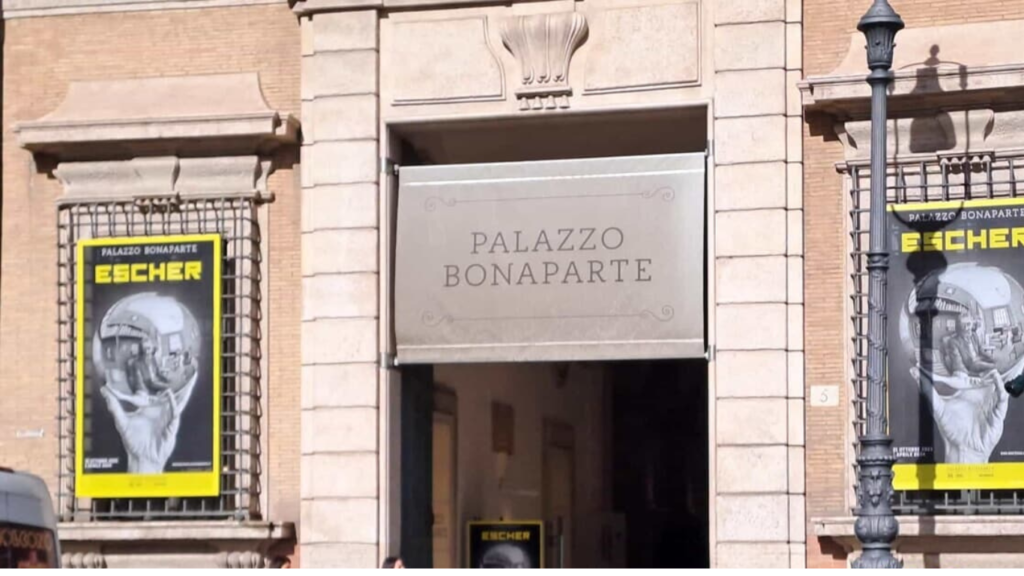
Escher Exhibition at Palazzo Bonaparte until April
Rome’s Palazzo Bonaparte will display 300 works by Maurits Cornelius Escher in what organisers say is the “largest and most complete exhibition ever dedicated” to the Dutch graphic artist.
The blockbuster show, which runs from 31 October until 1 April 2024, includes the artist’s best known images as well as numerous works never shown in public before.
Some of the exhibition highlights include Hand with reflecting sphere (1935), Bond of Union(1956), Metamorphosis II (1939), Day and Night (1938) and the Emblemata series.
Born in 1898, Escher is famed for his mathematically-inspired woodcuts, lithographs and mezzotints featuring visually stunning designs that explore the seemingly impossible limits of architecture and infinity.
Address: Palazzo Bonaparte – Piazza Venezia, 5, 00186 Roma RM
Masterpieces Saved from War Exhibition
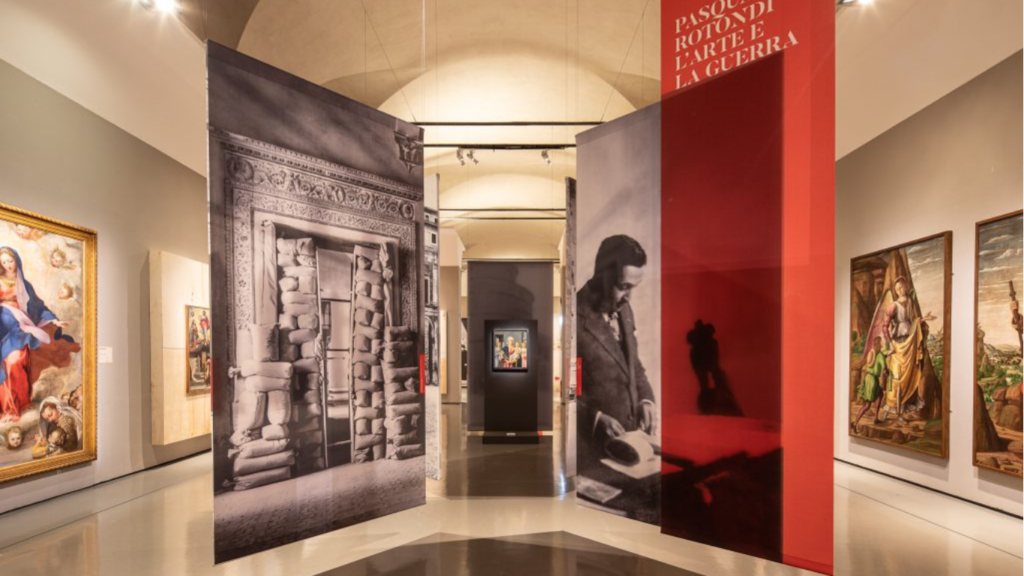
Rome’s Scuderie del Quirinale presents Arte Liberata 1937-1947: Masterpieces Saved from War, a major exhibition running until 10 April.
The show comprises more than 100 masterpieces saved during world war two, displayed alongside photographs, documents and audio archives.
At the centre of the exhibition is the farsighted action of superintendents and fine arts officials who, assisted by art historians and Vatican authorities, undertook to safeguard artistic and cultural heritage from the threat of war.
Address: Scuderie del Quirinale – Ventiquattro Maggio, 16, 00186